




PRCC Opposes Government Resuming PREPA Operations and Proposes Action Plan to Address the Energy Crisis and Accelerate Economic Development
More than 150 business leaders convened by the PRCC developed proposals with implementation plans and estimated costs that will be submitted to the FOMB, DEDC, and the Puerto Rico Legislature as input for Puerto Rico’s first ten-year economic development plan.
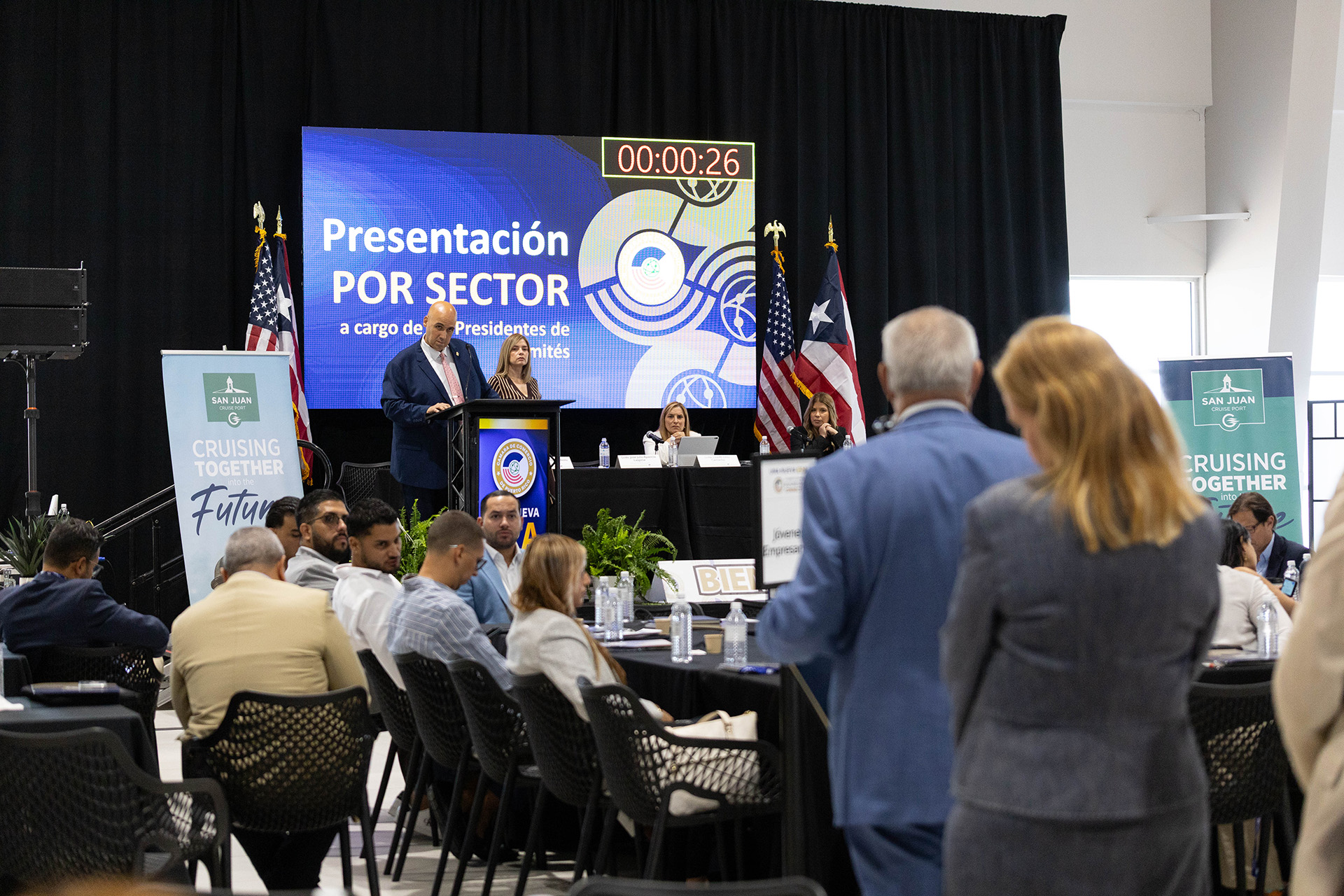
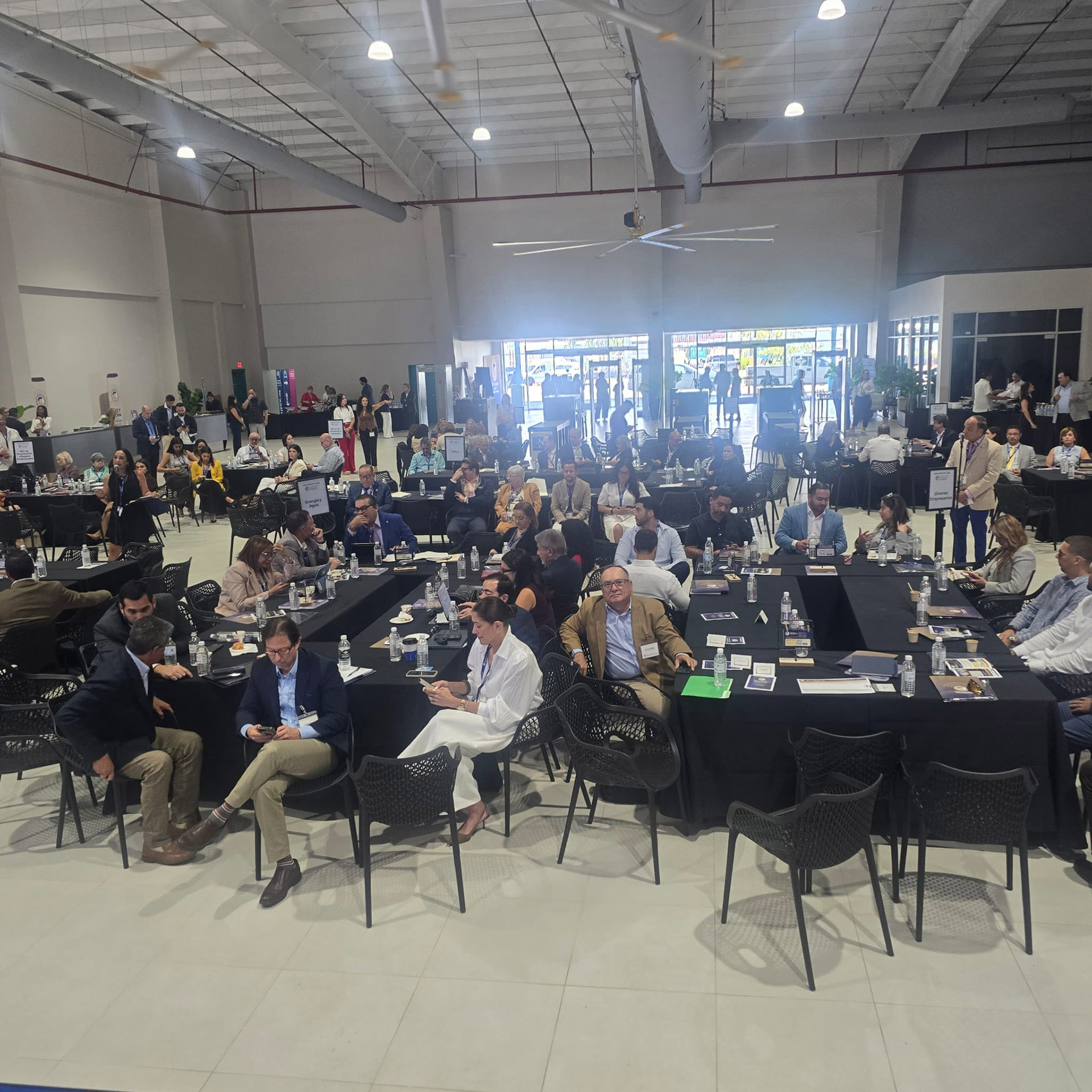
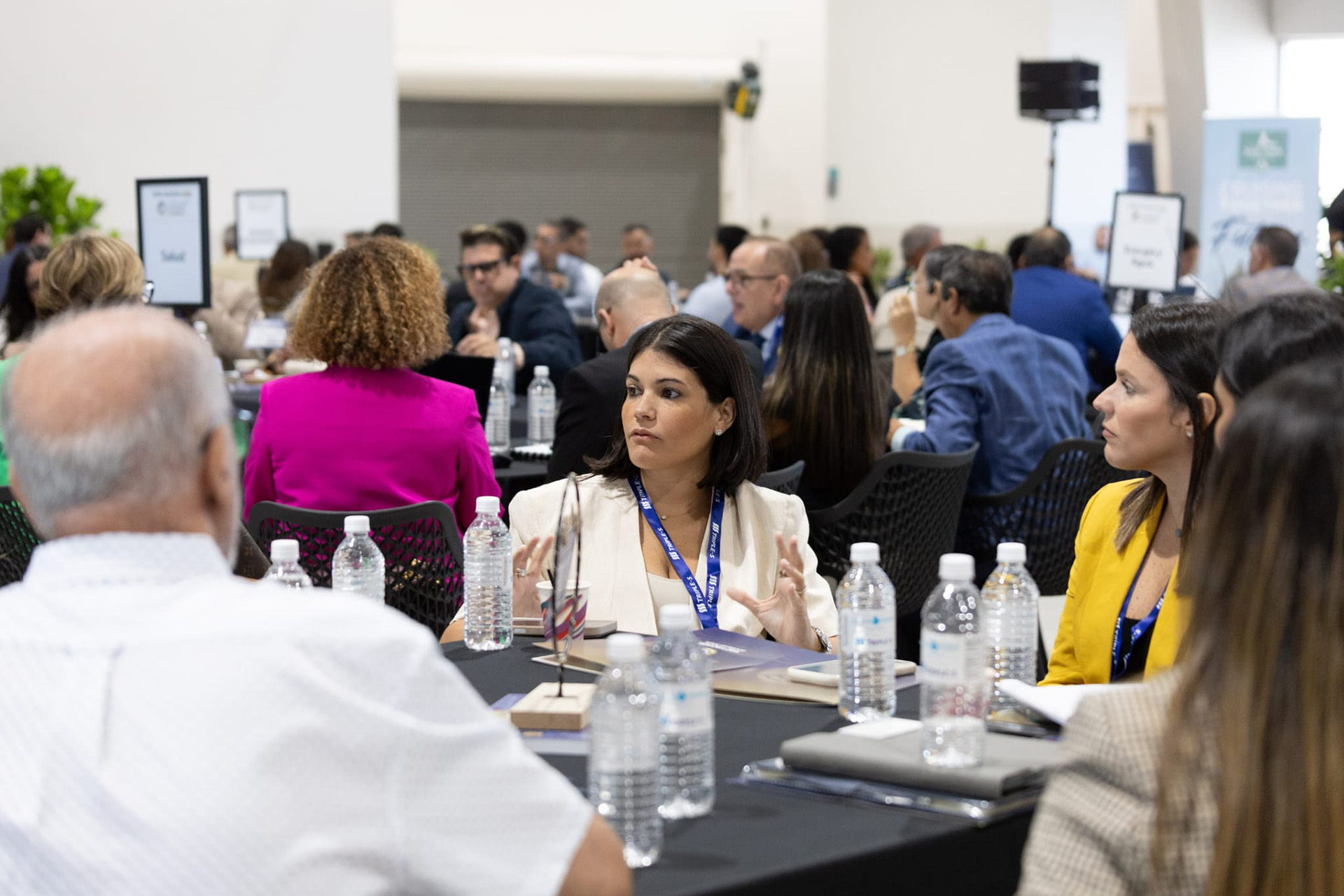
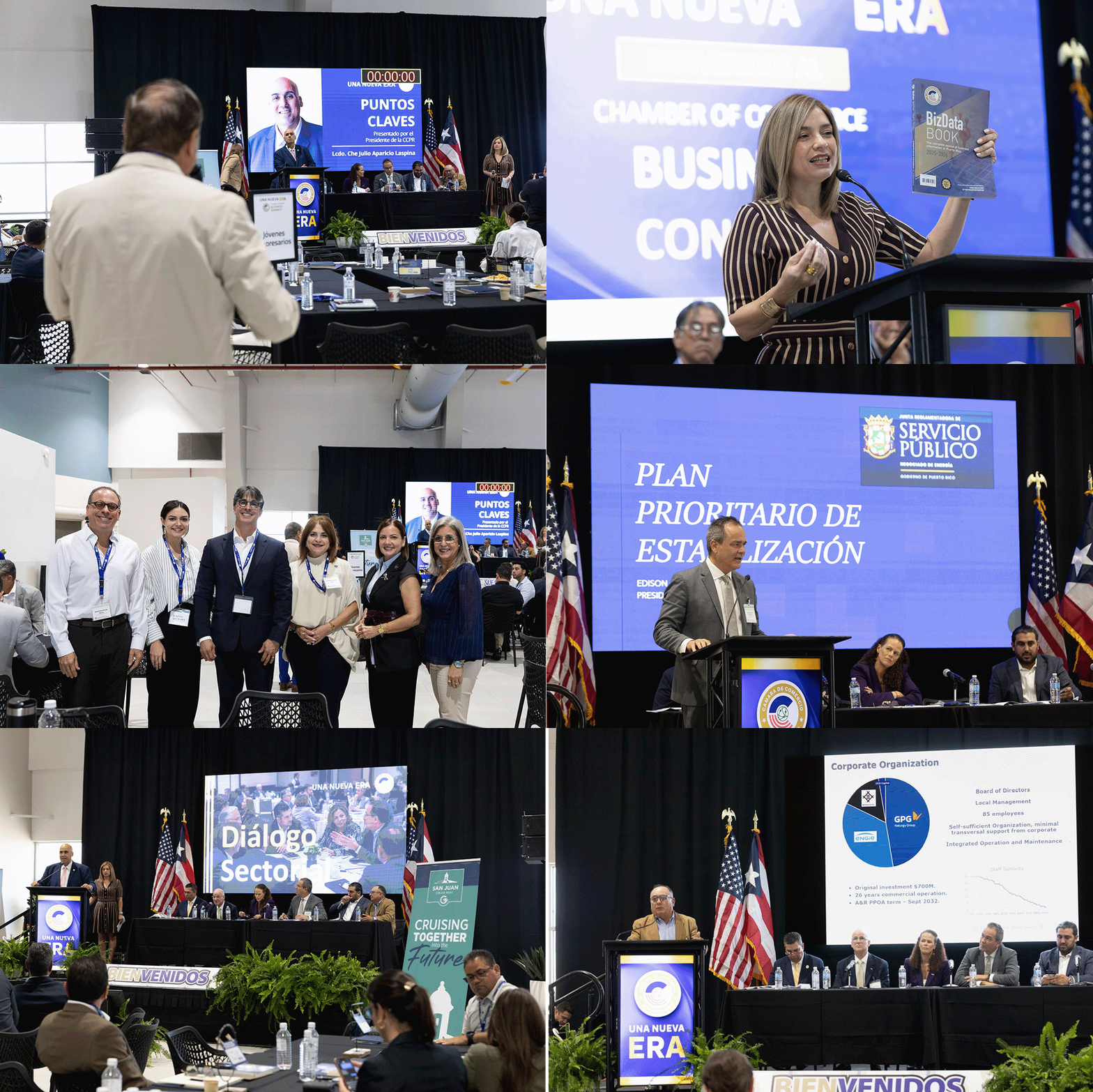
San Juan, Puerto Rico — The Puerto Rico Chamber of Commerce (PRCC) warned that the government should not once again become the operator of the Puerto Rico Electric Power Authority (PREPA) and maintained that any discussion about the future of the energy system must be accompanied by concrete proposals, metrics, implementation plans, and estimated costs. This was one of the main positions presented following a gathering of more than 150 business leaders and sector representatives at the “Chamber of Commerce Business Connect” meeting, which had a dual purpose: to create a working session to develop ideas for the ten-year economic development plan that will be undertaken in collaboration with the Financial Oversight and Management Board (FOMB) and the Department of Economic Development and Commerce (DEDC), and to receive a comprehensive presentation on Puerto Rico’s entire electric power system—an essential component for launching the ten-year plan.
The results of these working sessions will be submitted to the Financial Oversight and Management Board for Puerto Rico (FOMB), the Department of Economic Development and Commerce (DEDC), and the Puerto Rico Legislature as input for the development of Puerto Rico’s first ten-year economic development plan. The PRCC indicated that this effort seeks to contribute to the historic agreement expected to be formalized to develop a long-term economic agenda built through cross-sector participation, with the voice of the private sector serving as an essential component. The organization emphasized that a ten-year economic development strategy cannot be designed or implemented without comprehensively addressing Puerto Rico’s energy reality.
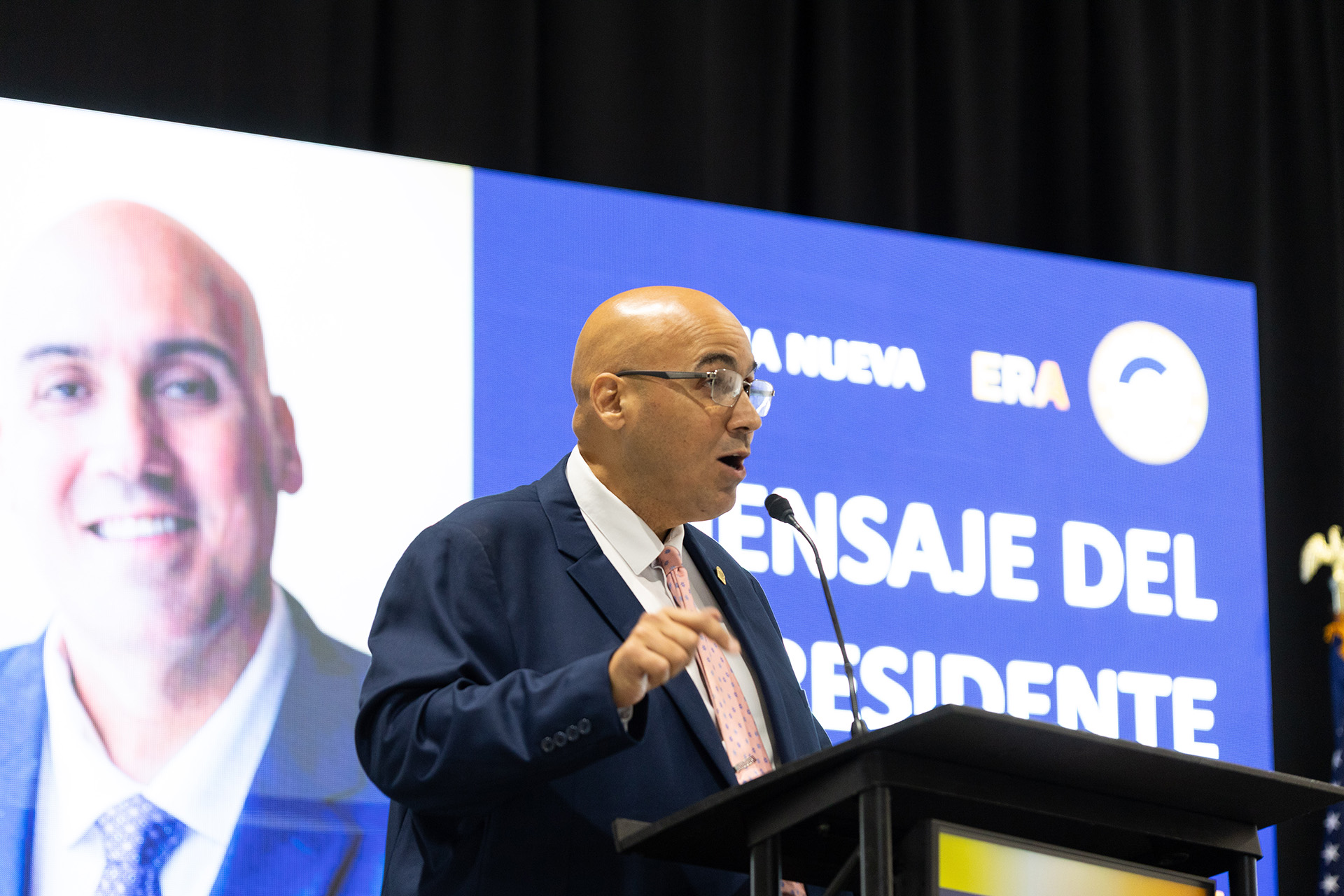
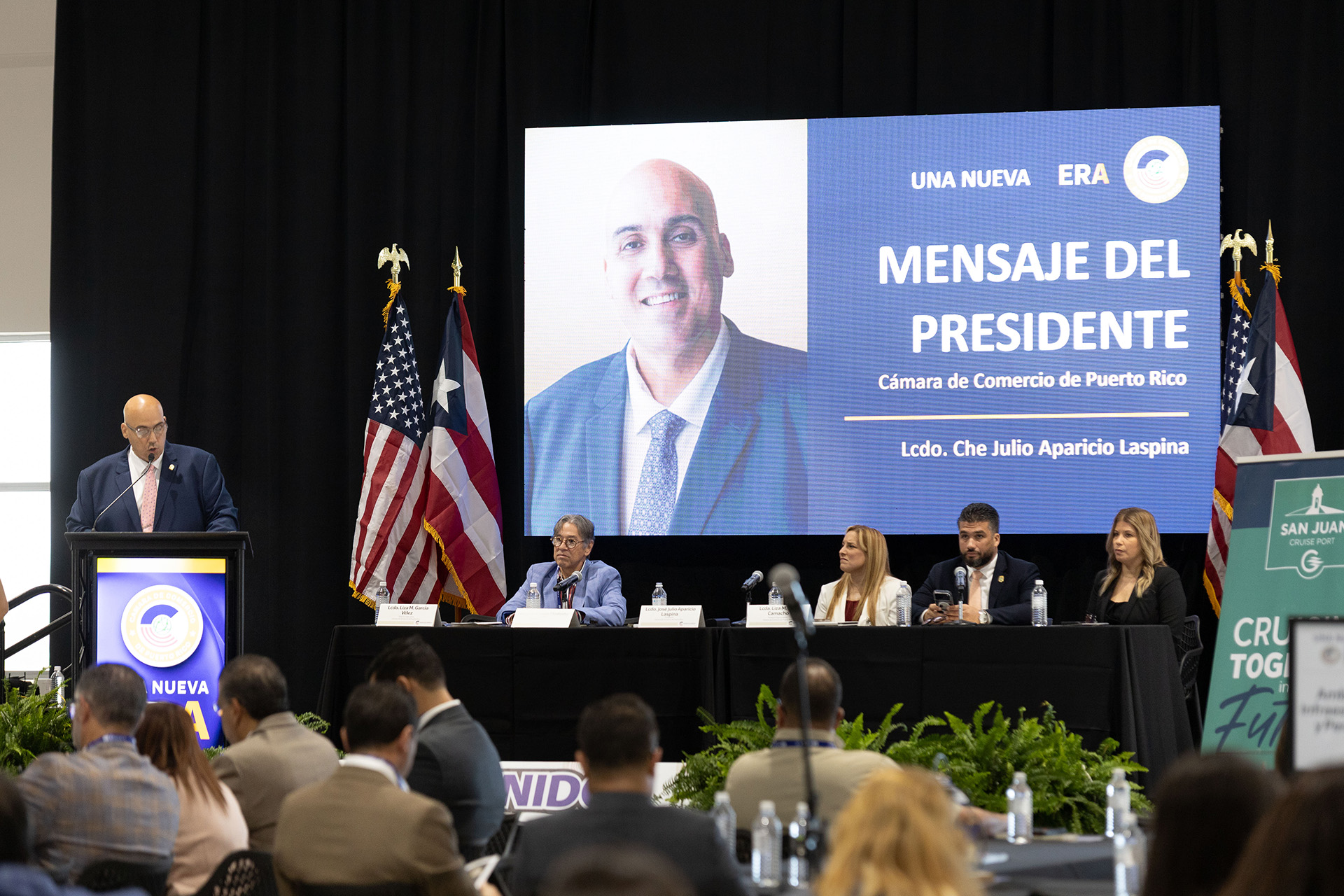
Puerto Rico Chamber of Commerce President José “Che” Julio Aparicio Laspina stated that Puerto Rico cannot limit itself to reacting to each energy or economic crisis but must instead organize its priorities and turn them into an actionable agenda. “As a Chamber of Commerce, we want this conversation to move beyond diagnosis. Business leaders know firsthand the obstacles they face every day, and our responsibility is to listen to them, identify the issues that require change, and bring them before the individuals and entities that can take action,” Aparicio Laspina said.
Aparicio Laspina added that the PRCC will continue using its platform to identify regulatory and legislative changes that can help improve Puerto Rico’s business environment and competitiveness.
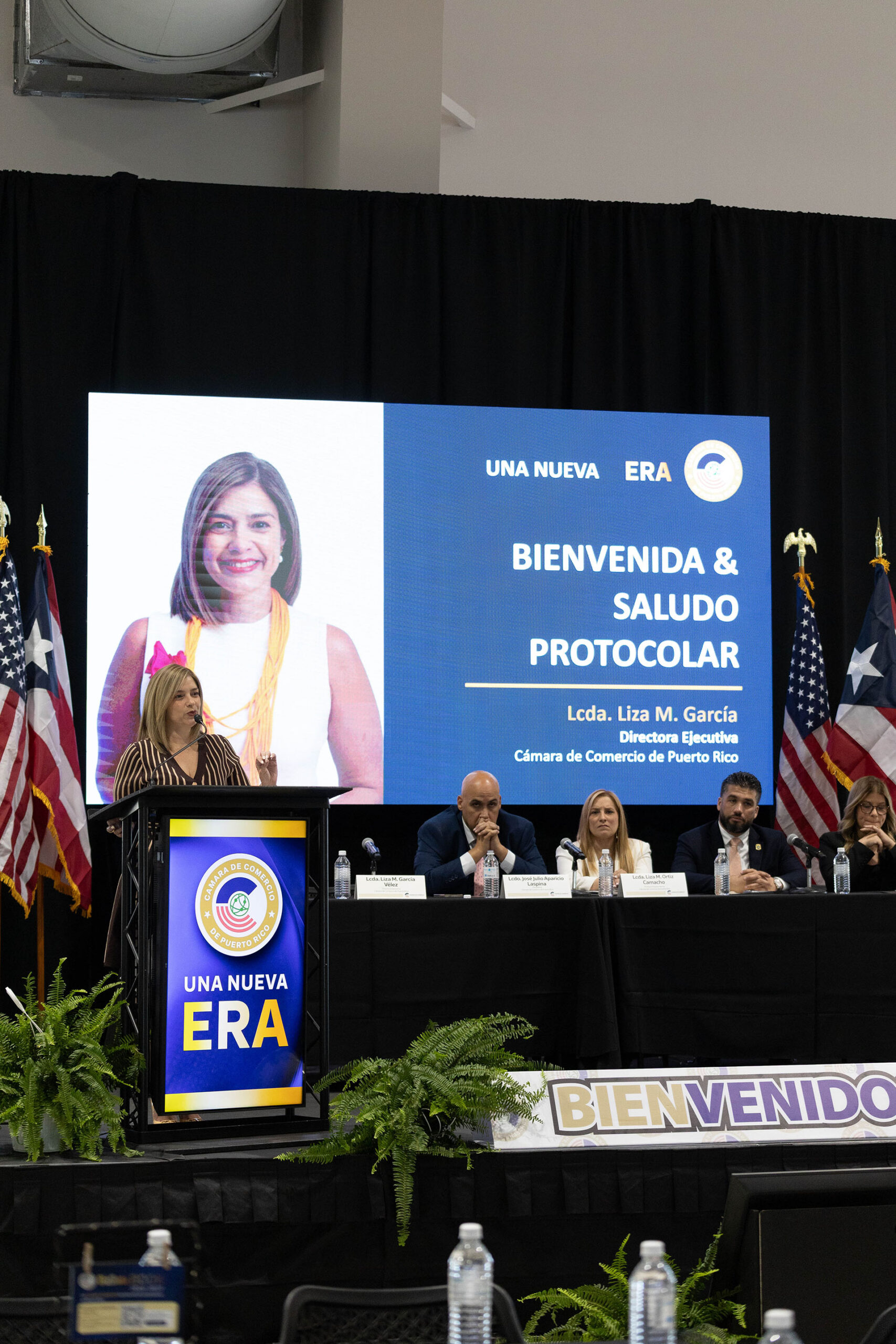
PRCC Executive Director Liza García highlighted the importance of creating spaces where the private sector can voice its concerns firsthand. “This gathering responds to the need to broaden the conversation. We want to move from assigning blame to hearing directly from those who are facing these challenges. This open dialogue with business leaders allows us to understand their concerns. Ultimately, transparency is one of the tools that will enable us to move forward. The Chamber of Commerce will continue to play an active role in sustaining this conversation,” García said.
The Fragility of the Electric Power System
On energy matters, the PRCC maintained that any discussion regarding the possible cancellation, review, or replacement of contracts related to the operation of the electric power system should not result in the government once again assuming operational control of PREPA. According to the organization, Puerto Rico needs a responsible, transparent, and viable solution that protects continuity of service, commercial stability, and Puerto Rico’s competitiveness.
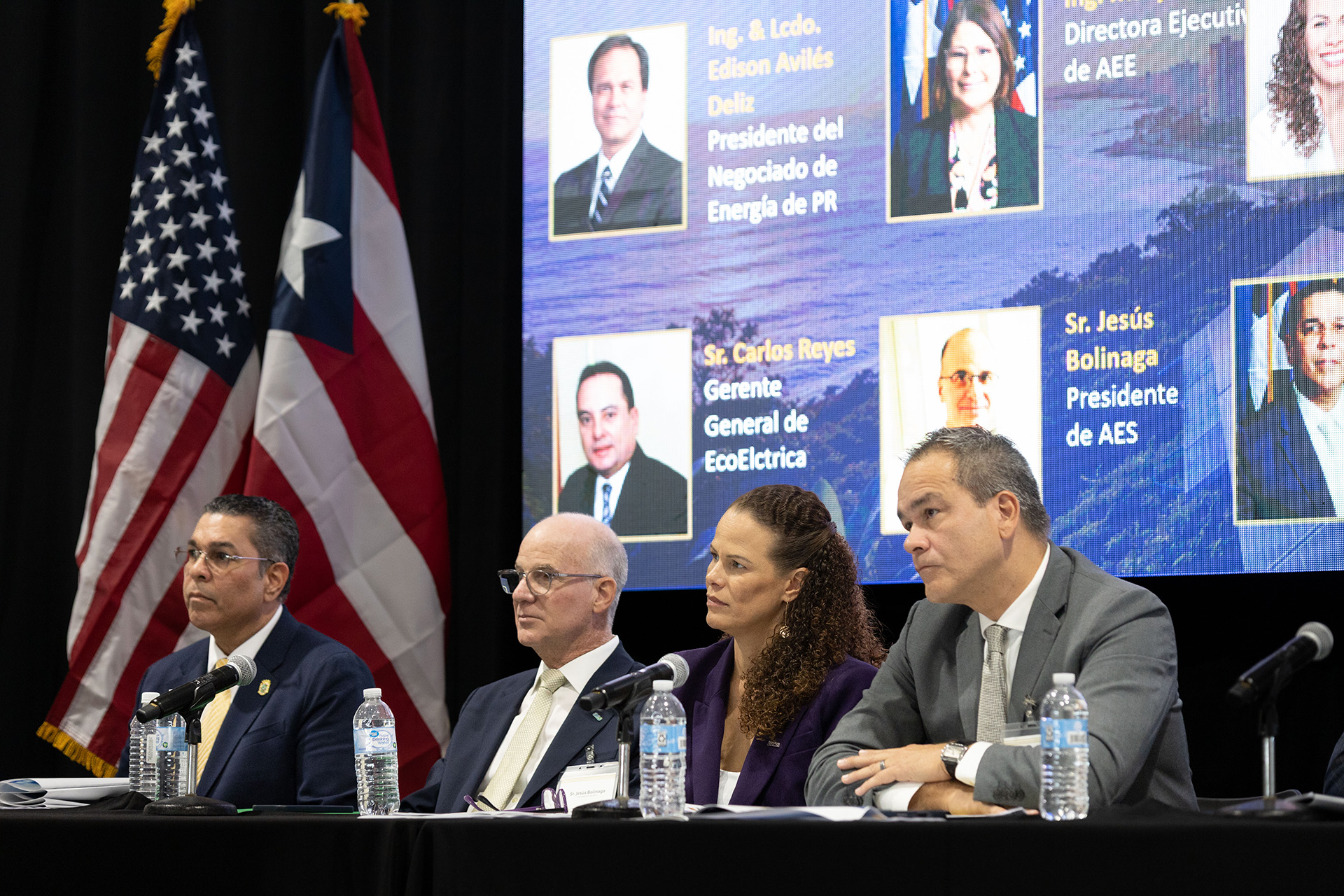
During the meeting, engineer Josué Colón, Puerto Rico’s Energy Czar and Executive Director of the Puerto Rico Public-Private Partnerships Authority (P3A), presented data on electric power system units that have been repaired using funds from the U.S. Department of Energy and FEMA. He explained that these repairs have been essential to maintaining system stability during periods of peak demand.
Colón emphasized that, without these repairs, the system’s ability to maintain service during recent months would have been significantly compromised. He also noted that the improvements have helped restore generation capacity and enabled service to be restored more quickly when outages occur due to unit failures or other system components. “We believe that the cost per kilowatt we pay today should be lower, and all of our efforts are moving in that direction,” Colón said.
Janisse Quiñones, CEO of LUMA Puerto Rico, provided an update on the progress of energy infrastructure projects and noted that, of the approximately $9.4 billion allocated to LUMA, 64% corresponds to obligated funds, while the remaining 36% is under development or review.
Quiñones explained that the objective is to continue strengthening a system that has historically been fragile. As part of these efforts, she highlighted the development of a portal that allows users to view the different stages of projects and track their progress.
Meanwhile, Edison Avilés, Chairman of the Puerto Rico Energy Bureau, presented the plans and projects currently underway, including work related to the operation of 14 generation units, vegetation management projects, and repairs at facilities such as Aguirre, Costa Sur, and Palo Seco.
The organization will also continue advancing its federal agenda through FACES, the Federal Affairs Chamber Educational Series, a PRCC initiative designed to educate, provide guidance, and bring the voice of Puerto Rico’s private sector to federal forums. As part of these efforts, a Chamber delegation will travel to Washington, D.C., from the 14th through the 17th to address priority issues with federal and congressional officials, with energy serving as one of the central pillars of the agenda.
Infrastructure, Permitting, and Competitiveness
Former Puerto Rico Department of Transportation and Public Works (DTOP) Secretary Eileen M. Vélez Vega addressed challenges related to infrastructure, permitting, and construction—sectors that have a direct impact on economic activity and Puerto Rico’s ability to develop new projects.
Among the issues identified were the need for trained personnel, particularly professionals such as engineers and architects; rising service costs associated with inflation; the need to establish performance metrics; reform of the permitting system; and the importance of greater regulatory stability.
From the real estate sector, Sonia Pacheco highlighted the need to advance the digitalization of government agencies and urged insurance companies to develop products that better address the specific characteristics of the Puerto Rico market. She also emphasized the importance of strengthening prevention, maintenance, and infrastructure as mechanisms to reduce risk and protect real estate investments.
The agenda also included a discussion of the impact of artificial intelligence (AI) in Puerto Rico, particularly the need for nonprofit organizations and businesses to understand how to implement these tools strategically.
The PRCC emphasized that the ideas gathered through this process will not remain merely broad proposals. The goal is to present recommendations with implementation roadmaps, potential responsible parties, estimated costs, and metrics to measure progress. Through this effort, the organization seeks to put forward actionable proposals to address the structural problems that hinder investment, increase the cost of doing business, and limit economic growth.
“Puerto Rico needs less improvisation and more execution. As a private sector, we have concrete ideas, we understand the costs of inaction, and we are ready to collaborate in building measurable solutions. The Chamber of Commerce will continue to participate, propose solutions, and demand transparency so that the voices of our business community are translated into action,” Aparicio Laspina concluded.
Media Contact:
Karen Garnik, APR, Fellow PRSA
787.502.2424, karen@globalvisioncomms.com
Isadora Hernández
787.310.3807, isadora@globalvisioncomms.com
Brenda Vázquez
787.392.6868, brenda@globalvisioncomms.com